Source Glazed Ceramic Lucky Cat Statue for Gifts, Decor, and Business
Find 30 glazed ceramic lucky cat statue options for home decor, business gifts, and collections. Compare hand-painted polyresin and resin models with custom OEM services, various sizes, and SGS-certified production from China; compare the available evidence and request quotations based on your requirements.
Key considerations
Products List


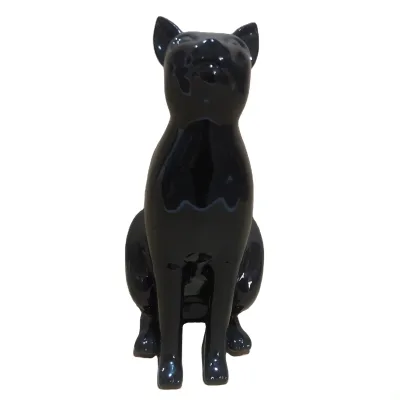


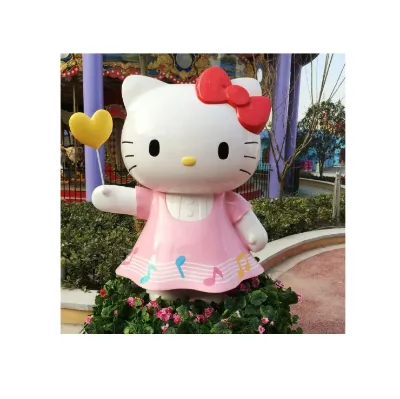
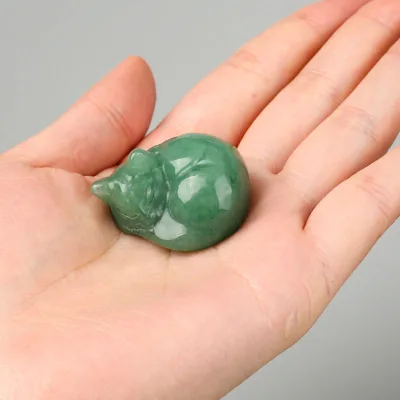
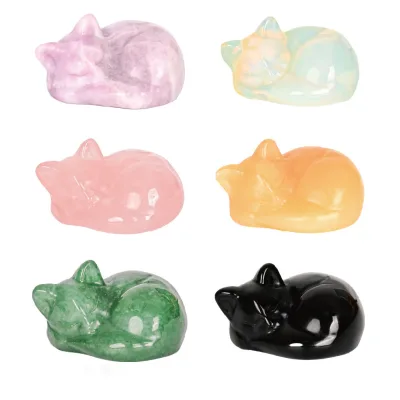
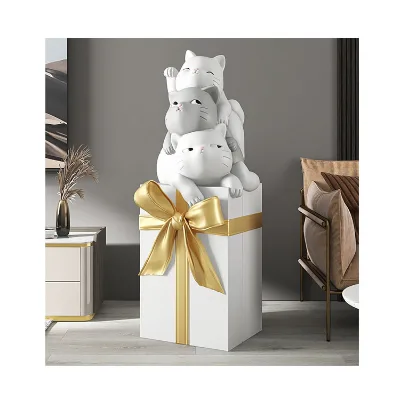


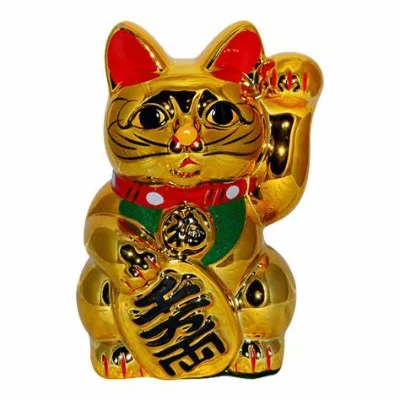
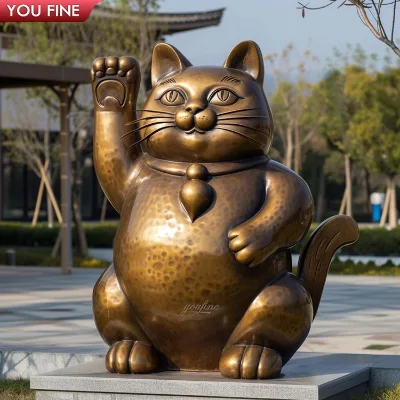


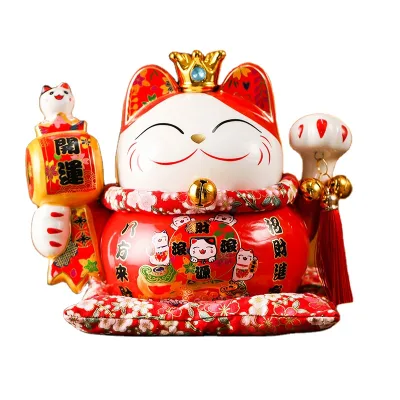
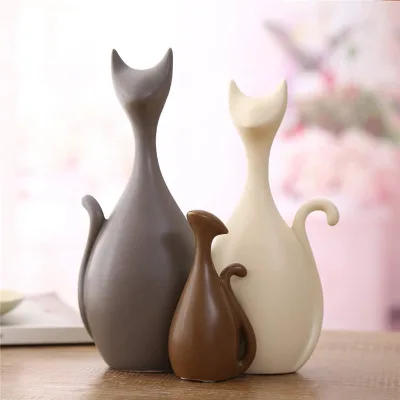
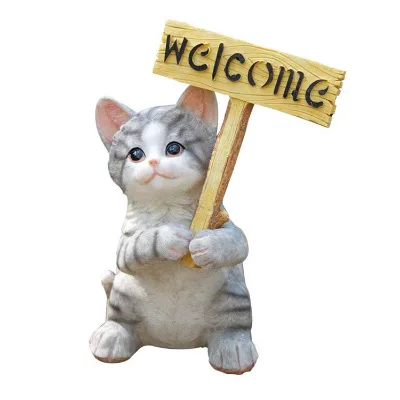
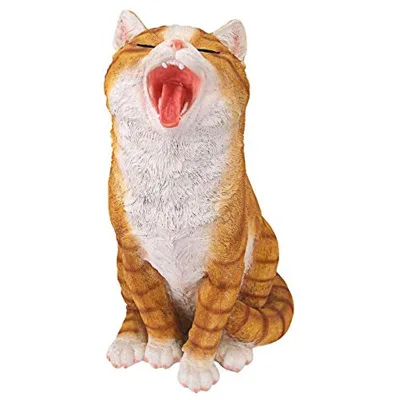
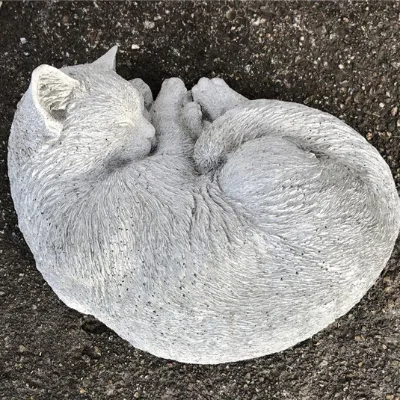

Comprehensive Sourcing Guide
Glazed Ceramic Lucky Cat Statue Sourcing Guide
Procurement teams must first distinguish between the core keyword of glazed ceramic and the observed market reality where polyresin and resin dominate the lucky cat category. The supplied data indicates that while the search term specifies ceramic, the actual available inventory frequently utilizes polyresin or standard resin materials with hand-painted or decal surface treatments. Buyers should verify the specific material composition of any listing to ensure it matches the intended durability and weight requirements for their specific distribution channel.
The observed product range includes various models such as WT-230860 and WT-230861, alongside generic descriptions like "lucky cat figurine" or "cat statue." These items are often marketed for business gifts, holiday promotions, and home decoration, with styles ranging from natural to antique finishes. Sourcing strategies must account for this variability, as the "glazed" attribute in the title may not always reflect the actual painted or decal-applied finish found in the majority of the listed polyresin stock.
Product Scope and Observed Listing Signals
Buyers should analyze the observed price range of 0.8 to 6624.44 USD to understand the vast spectrum of product tiers available in the current market. This extreme variance suggests that low-cost items are likely small, mass-produced resin figurines, while high-value listings may represent large, custom-designed sculptures or limited edition pieces. Procurement teams must correlate the requested price point with the specific model number and size specifications to avoid misinterpreting a standard figurine price as a quote for a custom, large-scale installation.
The listing signals reveal a strong emphasis on customization, with many suppliers offering OEM services and accepting customized designs. The observed data confirms that products are often hand-made and feature surface treatments like painting or decals, rather than a uniform factory glaze. Buyers should scrutinize the "Style" attribute, which varies between natural and antique, to ensure the aesthetic aligns with their brand identity, as the "glazed" keyword in search results may not guarantee a specific visual finish across all suppliers.
Technical Specifications to Verify
Verification of physical dimensions is critical, as the observed data lists conflicting size standards ranging from small figurines to large export cartons measuring 80x75x185 cm. Some listings specify exact dimensions like 26.5x11x38.5 cm, while others provide a list of sizes such as 15, 12, 10, 8, and 5 inches without clear context. Buyers must request precise dimensional drawings for the specific model number to ensure the product fits their intended display space or packaging constraints.
Material composition and structural integrity require close attention, as the supplied facts highlight polyresin and resin as primary materials rather than traditional ceramic. The production process is frequently noted as hand-made or hand-painted, which introduces variability in weight and finish consistency. Procurement teams should verify the specific resin grade and the thickness of the painted layers to ensure the product meets the durability standards required for shipping and long-term display in retail or corporate environments.
Compliance and Safety Documentation
Safety compliance is a primary concern when sourcing decorative items, particularly those intended for home use or as gifts for children. The observed data mentions SGS certification for at least one product line, which serves as a baseline for verifying that the materials used do not contain harmful levels of lead or other heavy metals. Buyers should explicitly request current SGS or equivalent test reports for the specific resin and paint formulations used in the lucky cat statues to ensure they meet the safety regulations of their target export markets.
Packaging standards vary significantly across the observed listings, ranging from simple PP bags with styrofoam to strong wooden crates for larger items. The choice of packaging directly impacts the product's ability to survive international logistics without damage, especially given the fragile nature of resin and painted surfaces. Procurement teams must verify that the packaging design includes adequate shock absorption and that the export carton specifications align with the weight and dimensions of the specific model being ordered.
Cost Drivers and Commercial Terms
The minimum order quantity (MOQ) is a significant cost driver, with observed values ranging from a single unit to 1000 units depending on the supplier and product complexity. Some listings indicate an MOQ of 100 units, while others require 480 pieces, and a few allow for single-unit purchases. Buyers must calculate the total landed cost by factoring in these MOQ thresholds, as ordering below the required quantity may result in higher per-unit prices or the inability to secure the order entirely.
Production lead times and sample availability also heavily influence the commercial timeline and budget. The data shows sample lead times ranging from 7 to 15 days, with full production times extending from 35 to 40 work days. These timelines suggest that rush orders may incur premium costs or require a compromise on customization options. Procurement teams should align their inventory planning with these production windows to avoid stockouts, especially for holiday gift seasons where demand peaks.
Supplier Qualification and Quality Control
Supplier qualification should focus on their capability to handle the hand-made and hand-painted processes observed in the product listings. Since the production involves manual application of paint and decals, the consistency of the finish is a key quality metric that varies by artisan skill. Buyers should request video evidence of the production line or a detailed quality control checklist that outlines how defects in painting or molding are identified and rectified before packaging.
Geographic origin is another critical factor, with observed data pointing to suppliers in Quanzhou, Fujian, and Jiangsu, China. These regions are known for specific manufacturing clusters, but the distance and logistics infrastructure can affect shipping reliability and cost. Procurement teams should verify the supplier's experience with international shipping and their ability to manage the specific export documentation required for resin and decorative items to ensure a smooth supply chain flow.
Long-Term Procurement Checks
Establishing a long-term partnership requires a clear agreement on customization standards and design ownership. The observed data confirms that OEM services and customized designs are available, but the terms of intellectual property and design modifications must be explicitly defined in the contract. Buyers should ensure that any custom molds or specific paint formulas developed for their brand are protected and that the supplier cannot sell these unique designs to competitors.
Continuous quality monitoring is essential to maintain consistency across multiple production batches, especially for hand-painted items. Buyers should implement a system for periodic quality audits and maintain a record of defect rates for each model number. Regular communication regarding material changes or process adjustments will help mitigate risks associated with the variability inherent in hand-made manufacturing, ensuring that the product quality remains stable over the life of the procurement contract.
FAQs
Can I customize the design of the lucky cat statue?
Yes, customized designs are acceptable for this product line. The manufacturer offers OEM services and allows buyers to specify unique shapes or patterns. This flexibility supports business gifts and holiday collections while maintaining the natural or antique style preferences of the client.
What is the minimum order quantity for these statues?
The minimum order quantity varies by specific model, ranging from one piece to one thousand units. Some listings require 100 units, while others accept 480 pieces or even a single unit. Buyers should verify the exact MOQ for the specific model code like WT-230860 before placing an order.
How long does production take for custom orders?
Production time typically spans 35 to 40 working days for standard custom orders. Sample lead times are shorter, usually taking 7 to 15 days depending on the specific requirements. This timeline applies to hand-made polyresin or resin statues originating from factories in China.
What materials are used to make these statues?
These statues are primarily crafted from polyresin or general resin materials. The manufacturing process involves hand-making and often includes hand-painting or decal application. The final product is designed for home decoration, art collection, or as a business gift with a natural or antique style.
Are these statues certified for safety or quality?
Yes, certain product listings include SGS certification to ensure quality and safety standards. This certification applies to specific models like the Mary Statue or lucky cat figurines. Buyers seeking verified quality should confirm the presence of this certificate for their specific order requirements.
How are the statues packaged for shipping?
Packaging options include a PP bag with styrofoam inside a white box for individual units. Larger orders may use export cartons or strong wooden crates for protection. The specific packing method depends on the product model and size, ensuring safe delivery for home decoration or gift purposes.
Where are these statues manufactured?
These statues originate from China, with specific production locations noted in Quanzhou, Fujian, and Jiangsu. The manufacturing facilities specialize in hand-made crafts and offer customization services. Buyers can expect products to be shipped from these established sourcing hubs in the region.